
Major variations between grass-fed butter and common butter
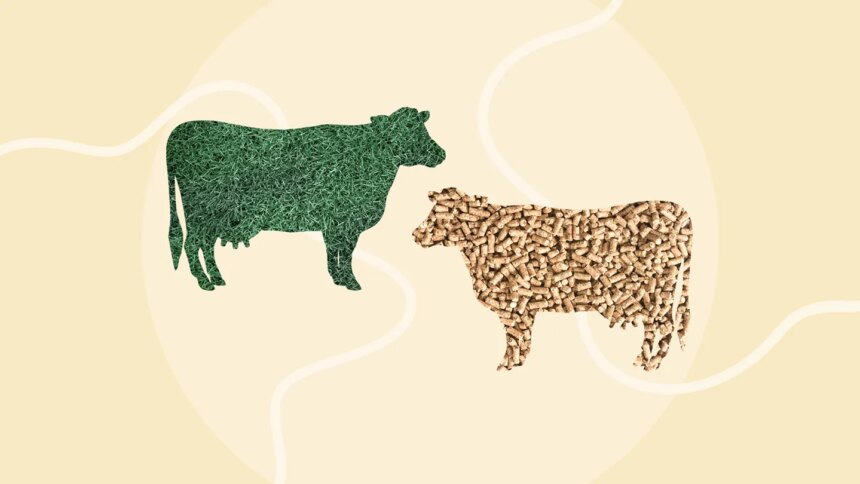
So must you purchase grass-fed butter or common butter? Anecdotes and scientific proof assist the concept grass-fed butter could also be a greater choice so as to add to your cart on the grocery retailer as a result of it seems higher, tastes higher, and has dietary content material.
exterior
style
“The flavour of grass-fed butter varies relying on the place and when the cow grazes, however the taste is mostly richer and extra buttery than common butter,” says Malkani.
Dietary components
Grass-fed butter can be excessive in conjugated linoleic acid (CLA), a bunch of fatty acids that will decrease the danger of coronary heart illness, Malkani says.
Some folks tout CLA as efficient for fats loss, however the scientific proof for that declare is weak, says Sonya Angelone, a vitamin guide in San Francisco. Moreover, you’ll want to devour between 3,000 and 6,000 milligrams (mg) of CLA per day to be efficient. One tablespoon of grass-fed butter solely accommodates about 300 mg, she says.