
1. Deliver a backup of all of your diabetes provides
“Deliver each long-acting and short-acting insulin, a syringe or pen needle, and an additional glucagon equipment,” says Dr. Rekha Kumar, an endocrinologist at NewYork-Presbyterian and Weill Cornell Drugs. She additionally factors out that folks utilizing insulin pumps ought to deliver additional insulin in case the pump breaks down.
“What we frequently see when mountaineering with individuals with diabetes is that the (CGM or pump) space tears after they take off and placed on the backpack, (and) heavy sweat can result in the world falling off,” Hanson says.
2. Deliver extra sugar than you want
“It is most likely clever to pack extra[sugar]than you want,” says Hanson, explaining that mountaineering can take longer than anticipated. She advises individuals to “take into consideration the longest time you’ll be able to most likely be out and pack accordingly.”
Dr. Kumar provides that bringing a number of types of sugar is a good suggestion, and also you must also contemplate the setting you may be mountaineering in. Fruit gummies can freeze in chilly climate, and glucose tablets can deteriorate or harden as a consequence of sweat or warmth. “Deliver a packet of gel, as a result of it is extra dependable in out of doors temperatures,” she says.
3. Let a buddy find out about your situation
Mountain climbing companions play an essential position in recognizing and responding to hypoglycemia. “Mountain climbing and tenting companions ought to know what hypoglycemia and hypoglycemia are,” says Kumar.
- trembling
- sweating
- confusion
- Weak spot
- adjustments in imaginative and prescient
- slurred speech
Kumar stated very low blood sugar can seem like poisoning or altitude illness, and in distant areas the place fast recognition is essential, simply realizing there are a number of signs will be essential.
4. Pack Glucagon
Glucagon is a drug used to deal with low blood sugar ranges which might be so extreme which you could not deal with them by yourself by merely consuming or ingesting sweets. It really works by signaling the liver to launch saved glucose into the bloodstream.
Ideally, somebody who is aware of the right way to correctly administer glucagon ought to journey with you. “If a affected person is unable to swallow or loses consciousness, administering glucagon and contacting emergency providers will be lifesaving. Clear, easy directions shared prematurely help a fast and efficient response,” stated Barbara Eichorst, MD, CDCES, vp of well being care applications on the American Diabetes Affiliation.
5. Put on a medical ID bracelet
“We extremely suggest sporting a medical identification bracelet or necklace that signifies kind 1 diabetes and insulin use,” Eichorst says. “Within the occasion of an emergency, this permits others, together with first responders, to rapidly perceive the state of affairs and supply applicable care.”
6. Alter your insulin to your exercise
“Cardio train resembling mountaineering lowers blood sugar ranges, which might final for 12 to 24 hours after train. Even the evening after a hike, you are prone to hypoglycemia,” Kumar says. For individuals utilizing insulin pumps, they might must quickly scale back their basal insulin supply, whereas those that take injections might have to regulate each their long-acting and mealtime doses, she says.
Hanson says it might be useful to “contemplate bringing your basal charge again to regular about half-hour earlier than you finish your hike to keep away from an enormous blood sugar spike on the finish of the day.”
When you’re not snug making these changes your self, it is best to speak to your physician about your plans.
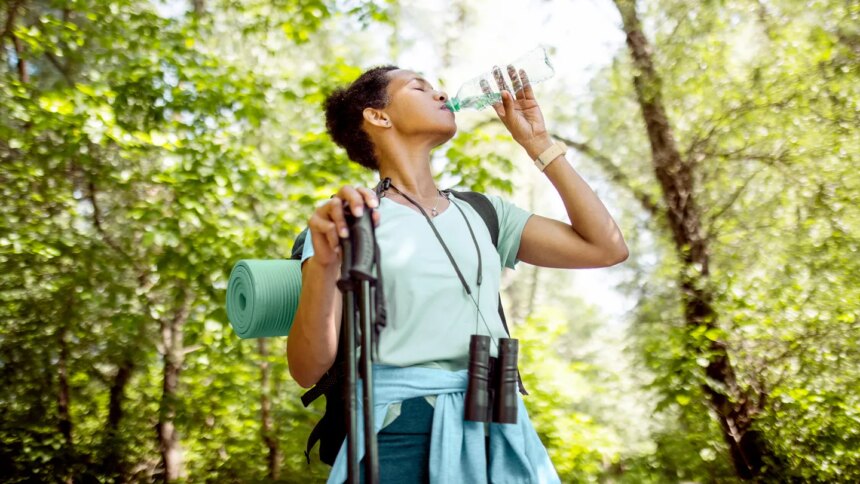
7. Keep hydrated and energized
Remember to supply correct vitamin. “In the course of the day, your physique makes use of all of the meals you eat for power, however it’s additionally breaking down power saved in your muscle tissue for emergencies and lengthy days like this,” Hanson says. “And people shops want restocking.”
Deciding what to eat throughout a protracted day of train will be troublesome. That is as a result of it’s a must to take care of extra blood sugar fluctuations than regular. “A mixture of fast-acting carbohydrates for quick wants and longer-lasting power sources, resembling snacks containing carbohydrates and protein, will help preserve stability,” Eichorst says, including, “Consuming small quantities at common intervals throughout lengthy hikes can even assist preserve extra steady blood sugar ranges.”
8. Watch your ft
You may forestall blisters by selecting the best sneakers and aggressively treating your ft as quickly as you discover irritation. “When you’re planning to purchase new mountaineering boots, make sure you give them loads of time to interrupt them in, as sporting new boots on lengthy trails on scorching days can result in blisters,” says Hanson. “When you discover any rubbing or discomfort, cease instantly, as fixing it straight away is an effective way to forestall blisters from forming.”
If blisters happen, immediate remedy is essential. “When you develop a blister, holding it clear, overlaying it, and monitoring it for indicators of an infection will help it heal,” Eichorst says.
9. Know when to give up
Relying on the state of affairs, it might be most secure to maintain your tenting or mountaineering journey brief. Kumar says the following situation could require ending the journey early.
It could even be essential to contemplate requirements. When you have repeated episodes of hypoglycemia, “you could have used up all or many of the treatment you introduced with you,” Hanson says. “And you continue to want emergency medical remedy to get out.”
In case your blood sugar ranges are excessive, it is doable that “you could have used up all of your pump websites or your insulin is just not working as effectively,” during which case the wisest choice is to cancel your journey, she says.
takeout
- Mountain climbing and tenting with kind 1 diabetes requires particular preparation. It is best to pack additional insulin, glucose sources, and diabetic provides in case of an emergency or gear failure.
- Bodily exercise, warmth, altitude, and adjustments in consuming schedules can all have an effect on blood sugar ranges, so it is essential to carefully monitor your blood sugar ranges and modify your insulin, hydration, and vitamin as wanted.
- Let your mountaineering companions know the right way to acknowledge and reply to hypoglycemia, and do not hesitate to finish your journey early in case your blood sugar ranges change into harmful otherwise you run low on provides.