

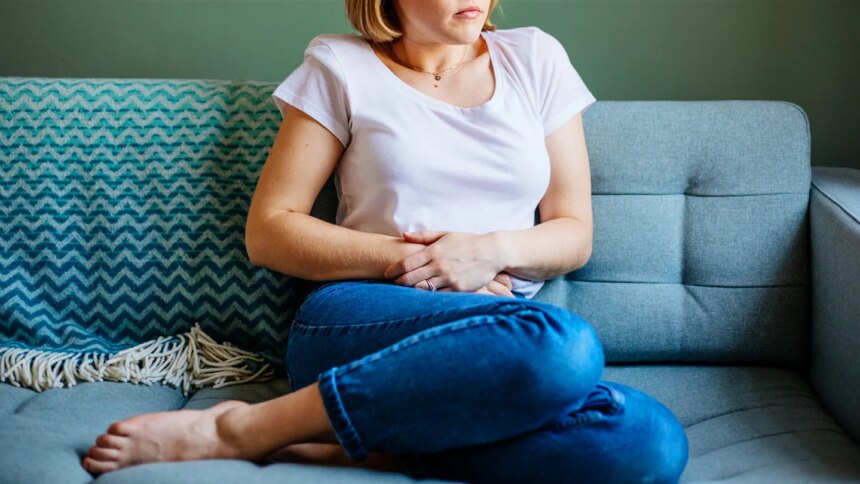
It is no secret that intervals include disagreeable and annoying signs, corresponding to bloating, frequent journeys to the toilet, fixed stomach ache, and painful cramps. Nonetheless, for individuals with irritable bowel syndrome (IBS), signs can turn out to be even worse from the start of your month-to-month interval and all through your cycle. The rationale could lie within the relationship between the intestines and the functioning of the reproductive system in the course of the menstrual cycle. Learn on to learn how IBS signs can have an effect on your intervals. The intestines and reproductive techniques The intestines and reproductive techniques work together The intestines include receptor cells for the feminine hormones estrogen and progesterone, says Olubunmi Oladunjoy, MD, a basic internist and assistant professor at Baylor Faculty of Drugs in Houston. Due to this fact, modifications in these hormone ranges can have an effect on intestinal perform. A 2021 article revealed in Intestine Microbes states that the intestine microbiome (all of the microorganisms current within the intestines) regulates the exercise of the reproductive system by interacting with intercourse hormones corresponding to insulin, estrogen, and androgens. Analysis additionally exhibits that an extra of dangerous intestine micro organism (dysbiosis) can forestall the liver from breaking down extra estrogen, rising estrogen ranges. In keeping with the Cleveland Clinic, excessive estrogen causes the irregular development of tumor-like cells alongside the liner of the uterus, inflicting signs corresponding to ache and endometriosis. That is not all. Disruption of the steadiness of the intestine microbiome can affect ailments corresponding to most cancers, being pregnant problems, and polycystic ovarian syndrome, amongst different reproductive-related situations. However, because the authors of the “Intestine Micro organism” article be aware, there’s a lack of analysis into precisely how the intestine and reproductive system work together on this approach. The connection between the intestine and reproductive well being “is actually the management or steadiness of estrogen and progesterone,” says Rudolph Bedford, MD, chief of gastroenterology at Windfall St. John’s Well being Heart in Santa Monica, California. Estrogen specifically “can management and trigger quite a lot of situations inside the gastrointestinal tract,” he added. Dr. Bedford makes use of estrogen for example to elucidate how feminine hormones work together with the intestine microbiome. The liver inactivates lively estrogen transported from the ovaries. This deactivated estrogen leaves the liver via the bile and travels to the small gut, dwelling to the microbiome. Intestine micro organism produce enzymes that work together with estrogen earlier than it’s excreted. Nonetheless, if the microbiome is disrupted, estrogen is probably not correctly metabolized. Fairly, it returns to the bloodstream and may ultimately trigger digestive issues corresponding to constipation and bloating. Dr. Bedford believes that extra circulating estrogen and progesterone brought on by dysbiosis, together with modifications in bowel habits, can result in heavy menstrual ache, uterine fibroids, breast most cancers, and interval ache (dysmenorrhea). Menstrual Cycle and Intestine Well being How does your menstrual cycle have an effect on your intestine well being? It is all right down to your hormones. Throughout your interval, hormones not solely have an effect on your temper and vitality ranges, however in addition they have an effect on your digestive system. Dr. Oladunjoy explains that intercourse hormones fluctuate throughout completely different levels of the menstrual cycle. “Usually, estrogen peaks simply earlier than ovulation, whereas progesterone peaks in the course of the luteal section (the section between ovulation and the onset of menstruation). Nonetheless, these hormones drop to their lowest ranges simply earlier than menstruation begins.” Estrogen and progesterone each management the contraction of clean muscle within the intestines, which impacts how rapidly meals strikes via the gastrointestinal (GI) tract. “Throughout menstruation, some girls are extra vulnerable to stomach ache, whereas others expertise diarrhea,” she says. Many of those gastrointestinal-related problems are associated to the consequences of feminine hormones. ” Oladunjoy additionally factors out that when progesterone peaks in the course of the luteal section, it normally causes constipation. Additionally, every month, earlier than your interval, your physique releases pure chemical compounds generally known as prostaglandins. This performs an necessary position in the course of the menstrual cycle. These trigger the uterine muscular tissues to contract, making it simpler for the endometrium to slough off. The unhealthy information is that these prostaglandins can have the identical impact in your intestine. consequence? You’ll poop extra usually and even have diarrhea. Merely put, the hormones related to menstruation work together together with your intestines and trigger quite a lot of signs. In keeping with the Worldwide Gastrointestinal Issues Basis, signs could be considerably worse with irritable bowel syndrome. IBS and Menstruation What’s the relationship between IBS and menstruation? Once more, hormones appear to play a job in worsening IBS signs. “Estrogen and progesterone inhibit intestinal clean muscle contraction, which may negatively affect intestinal motility and contribute to elevated irritable bowel syndrome signs throughout menstruation,” says Oladanjoy. In a 2021 research revealed in Cureus, greater than half of members with irritable bowel syndrome felt bloated throughout all levels of their menstrual cycle. The research additionally discovered that premenopausal IBS sufferers expertise extra signs that have an effect on their each day actions and scale back their high quality of life throughout their interval in comparison with different cycle levels. In a research revealed in Neurogastroenterology Motility in 2021, postmenopausal IBS sufferers had extra extreme signs than premenopausal sufferers. The research additionally in contrast males of comparable age (males who didn’t menstruate) and located no age-related modifications in symptom severity. The outcomes recommend that decreased ranges of feminine hormones, significantly estrogen and progesterone, could have an effect on brain-gut interactions and worsen IBS signs. There may be additionally proof that decreased intercourse hormone ranges could also be behind the elevated severity of ache and gastrointestinal signs in the course of the menstrual cycle in IBS sufferers. Estrogen impacts how your physique makes use of the feel-good hormone serotonin, which raises your ache threshold and helps handle ache corresponding to menstrual cramps. In case you expertise extreme cramps at the start of your menstrual cycle, low estrogen ranges will be the perpetrator. Decreased ranges of feminine hormones improve gastrointestinal signs corresponding to cramps, constipation, bloating, and bowel actions. Folks with IBS already endure from gastrointestinal signs related to menstruation, so when this time of 12 months comes round, the severity of the signs will increase dramatically. How one can Relieve IBS Signs How one can Relieve IBS Signs Throughout Your Interval Presently of the month, we suggest treating your IBS signs the identical approach you’d deal with them at another time of the month. She advises: Keep away from set off meals corresponding to fried meals that may trigger signs, particularly throughout your interval. Eat extra meals containing soluble fiber. Keep away from meals that trigger fuel, corresponding to beans, broccoli, Brussels sprouts, and cabbage, as they will improve bloating, particularly throughout your interval. Drink a lot of water. Train commonly. Get high quality sleep. Proceed taking your IBS remedy as prescribed by your physician. In case your signs intervene together with your each day life, please see your physician for correct analysis and acceptable remedy. Taking Care of Your Intestine and Reproductive Well being Taking Care of Your Intestine and Reproductive Well being Sustaining the interplay between your intercourse hormones and your intestine microbiome promotes your intestine and reproductive well being and improves your menstrual expertise, says Bedford. He factors out {that a} wholesome microbiome is necessary for a wholesome reproductive system. Promotes correct metabolism of intercourse hormones and prevents the event of digestive problems. Attempt these tricks to maintain your intestine and reproductive well being in tip-top form. Keep bodily lively — From strolling to lifting weights, the secret’s to maintain transferring. In case you’re too busy to go to the gymnasium, Oladunjoy says dwelling exercises could be simply as efficient. Here is the way to get began: A wholesome and balanced weight loss plan is important. Oladunjoy argues that what we feed our guts can have an effect on our reproductive well being (and general well being). Embody loads of vegatables and fruits in your weight loss plan to advertise high quality bowel actions. Nonetheless, bear in mind that sure vegatables and fruits could also be tough for some individuals to digest. In that case, we suggest that you simply seek the advice of your physician or nutritionist to develop a meal plan. And when you’re having hassle getting sufficient fiber from meals alone, Oladunjoy says taking dietary supplements could assist. Contemplate taking probiotics, Bedford suggests. (Word: In keeping with pointers from the American Faculty of Gastroenterology, there’s not sufficient proof to assist using probiotics to deal with IBS.) Scale back your alcohol consumption and likewise keep away from extreme caffeine consumption. Attempt to handle and scale back stress.