

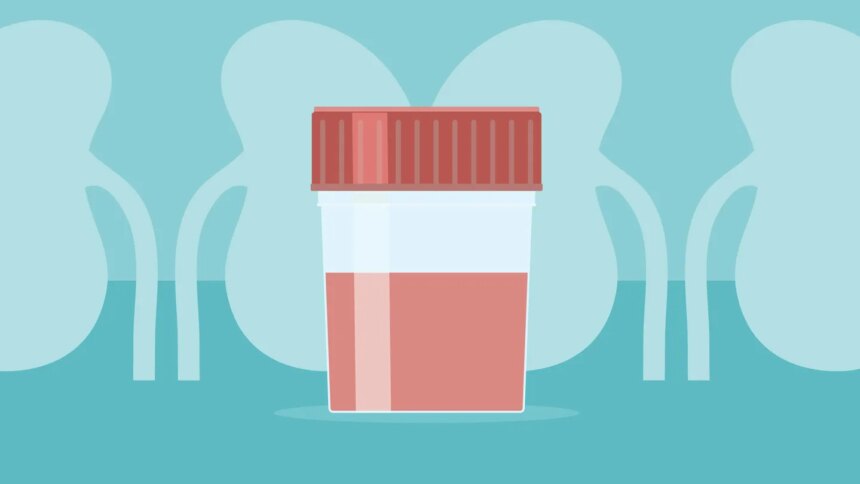
In case you discover blood in your urine, addressing it early can shield your kidneys and provides your medical staff the knowledge they should handle your therapy. This is what it’s best to do throughout the first 24 hours:
Step 1: Instantly notify the nephrology staff
Do not ignore it, says Diaz. Contact your nephrologist instantly for those who discover a change within the shade of your urine. Particularly if that is your first time or for those who really feel just like the recurrence is worse than your earlier signs, she says. By reporting this early, your healthcare staff can determine whether or not you have to be seen in particular person and whether or not further exams are wanted.
Step 2: Keep calm
Whereas it is pure to really feel distressed, Diaz says seen blood within the urine throughout or shortly after an infection just isn’t unusual in IgAN.
Step 3: Drink loads of water (except your supplier tells you in any other case)
Dr. Zidanova says consuming plenty of fluids might help flush pink blood cells by means of the kidney’s filtering tubes, stopping blockages that may trigger additional injury to the kidneys. Nevertheless, if in case you have different well being points that place you on a fluid restriction, observe your physician’s steering, Diaz says.
Step 4: Keep away from nonsteroidal anti-inflammatory medication (NSAIDs)
Step 5: Monitor your blood stress
“A flare may cause a sudden improve in blood stress. If blood stress is considerably greater than baseline, it signifies that the kidneys are underneath acute stress and require medical intervention,” says Zhdanova. In case you have a house blood stress monitor, measure your blood stress and write down the studying and time. If you have not already taken your blood stress, many pharmacies, medical doctors’ places of work, and pressing care facilities provide blood stress testing. File these measurements and share them along with your care staff.
Step 6: Doc signs
Diaz recommends listening to the colour of your urine, whenever you first discover adjustments, and whether or not you see blood clots. You also needs to take note of the quantity of urine you urinate. In case your urine output is noticeably low regardless of consuming loads of fluids, it could point out acute kidney damage (AKI), a sudden decline in kidney perform, and your care staff must be notified straight away, says Zhdanova.
Inform your nephrologist about different signs, comparable to fever, discomfort in your flanks or again, sudden weight acquire, fatigue, or swelling in your ankles, palms, or face. This info will assist your staff decide the perfect course of therapy.
When to hunt emergency medical care
Whereas most IgAN flares will be managed at dwelling with the steering of your nephrology staff, some signs require quick medical consideration. Diaz recommends in search of emergency care instantly for those who expertise any of the next signs:
- Urinating little or no or in no way
- extreme again or stomach ache
- giant blood clot in urine
- shortness of breath
- chest ache
- Speedy swelling across the face, legs, and eyes
- Blood stress studying is greater than regular vary
- nausea and vomiting
“These signs might point out acute kidney damage, fluid overload, or different severe issues that require quick consideration and therapy,” Diaz says.