Hustle tradition has at all times made getting a job a badge of honor. Nevertheless, this strategy to work, when mixed with working from dwelling and hybrid environments, which may negatively influence work-life stability and workplace ergonomics, can influence psychological and bodily well being in quite a lot of methods.
Luckily, as soon as you have recognized these unhealthy work habits, there are simple, doctor-approved methods to kick them and undertake higher ones.
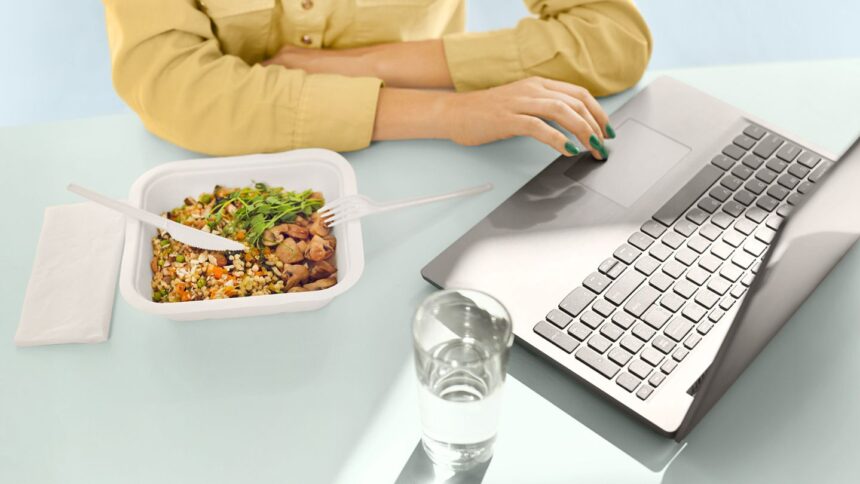
1. Consuming at work
Lunch break is meant to be a break time. While you eat whereas working, your physique would not get an opportunity to really feel protected or relaxed.
“The vagus nerve, which runs from the mind to the intestines, prompts digestion solely when it’s protected to take action,” says Amy Apizian, M.D., a board-certified doctor in San Diego who specializes within the results of trauma on the nervous system. “While you eat whereas multitasking, your nervous system registers the meal as ‘underneath risk,’ and your physique responds accordingly.”
You may additionally miss out on alternatives to attach with the individuals round you. “In most cultures, sharing time over a meal is a robust solution to study one another and construct friendships and belief,” says Richard Safer, MD, medical director of worker well being at Johns Hopkins College Well being Care and a fellow of the American School of Life-style Medication. “Feeling related to your colleagues creates a way of belonging and lowers stress ranges,” he provides.
repair: Put aside 20 to half-hour for a distraction-free lunch, ensuring to step away out of your desk and put your physique into rest-and-digest mode, suggests Daniel Trent, MD, a vascular surgeon at Longstreet Clinic and ambassador for the Society of Vascular Surgical procedure in Gainesville, Georgia.
2. Staring on the display too lengthy
Utilizing gadgets equivalent to computer systems and telephones constantly for lengthy intervals of time could cause digital eye pressure, which may have an effect on the well being and performance of your eyes.
Digital eye pressure can have an effect on your temper in different methods, too. “Our nervous system depends on visible scans to evaluate security,” Apizian says. “Observing a close-by display for hours with out trying far-off deprives your nervous system of the alerts it must know your atmosphere is protected.”
This not solely results in eye pressure, but additionally rigidity complications and afternoon fog, she provides.
3. Immediately reply to pings
Most jobs include common notifications, equivalent to calendar reminders, prompt messages, or emails. Responding to each notification each time you obtain one will be detrimental to your well being.
“Reacting to notifications continuously or always switching between duties can recycle the stress response, or fight-or-flight, response of the sympathetic nervous system, which will increase coronary heart charge and blood strain, which may result in narrowing of blood vessels,” Dr. Trent says. “Over time, this sample can put a sustained pressure on blood vessels and cut back coronary heart charge variability.”
repair: To cut back process switching, Torrent recommends silencing non-urgent notifications and checking messages and notifications at common intervals all through the day, slightly than each time they pop up.
4. Forgetting to drink water
Persistent concentrate on a process causes the nervous system to regulate inner stimuli, equivalent to thirst, to prioritize exterior calls for, equivalent to deadlines, Apizian mentioned.
Over time, a disconnect between your nervous system and your physique can grow to be your go-to sample, which may contribute to unexplained fatigue, temper adjustments, and decreased physique consciousness, she provides.
After all, there are additionally extra apparent bodily signs of water abstinence. “Not consuming sufficient water is likely one of the most typical causes of complications and constipation,” says Dr. Safer. She added that if you’re dehydrated, you employ meals to compensate, which may make you extra more likely to overeat.
repair: Maintain a bottle of water close by whilst you work. Apizian additionally recommends combining hydration with present actions, like opening a brand new browser tab or ending a gathering. Over time, these small cues can retrain the nervous system to re-tune to bodily alerts equivalent to thirst.
5. Sitting for lengthy intervals of time
Sitting for too lengthy, particularly along with your legs crossed, can prohibit blood circulate to your coronary heart, which may result in issues like varicose veins and lowered blood circulation over time.
6. Slouching posture
Unhealthy posture also can have an effect on your temper by way of its impact in your mind. “Hunched posture alerts to your mind that you’re physiologically in ‘safety mode,’ which will increase fatigue, low temper, and shallow respiration,” Apizian says.
7. Extreme use of mouse and keyboard
Clicking on the keyboard or shifting the mouse for hours on finish could cause ache and stiffness within the neck, decrease again, shoulders, and wrists.
The results can prolong past bodily ache. “When a muscle stays contracted for hours with out releasing, it sends a continuing warning sign to the nervous system,” Apizian says. “The physique interprets sustained rigidity as ‘nonetheless underneath risk’ and responds with elevated cortisol, irritation and fatigue.”
repair: Each 45 minutes, Apizian recommends slumping your shoulders, opening your palms vast, and gently shaking your wrists for 10 seconds.
8. Stress snacking
Even should you take a break for lunch, chances are you’ll find yourself snacking on candy or salty meals to handle stress or fight fatigue.
Once we attain for candy or salty snacks with out considering, it is usually because of stress, not essentially starvation, Apizian says.
repair: Apizian suggests stopping and checking in with how you feel earlier than reaching for a snack. Should you’re feeling nervous and stressed, strive exhaling longer and extra slowly than you inhale. This prompts your physique’s rest response in a means that snacks can not. Apizian added that should you’re feeling light-headed or low on power, a two-minute stroll or a change of surroundings will help restore your focus, slightly than consuming sugar.